How I went bug hunting in Fruitbus
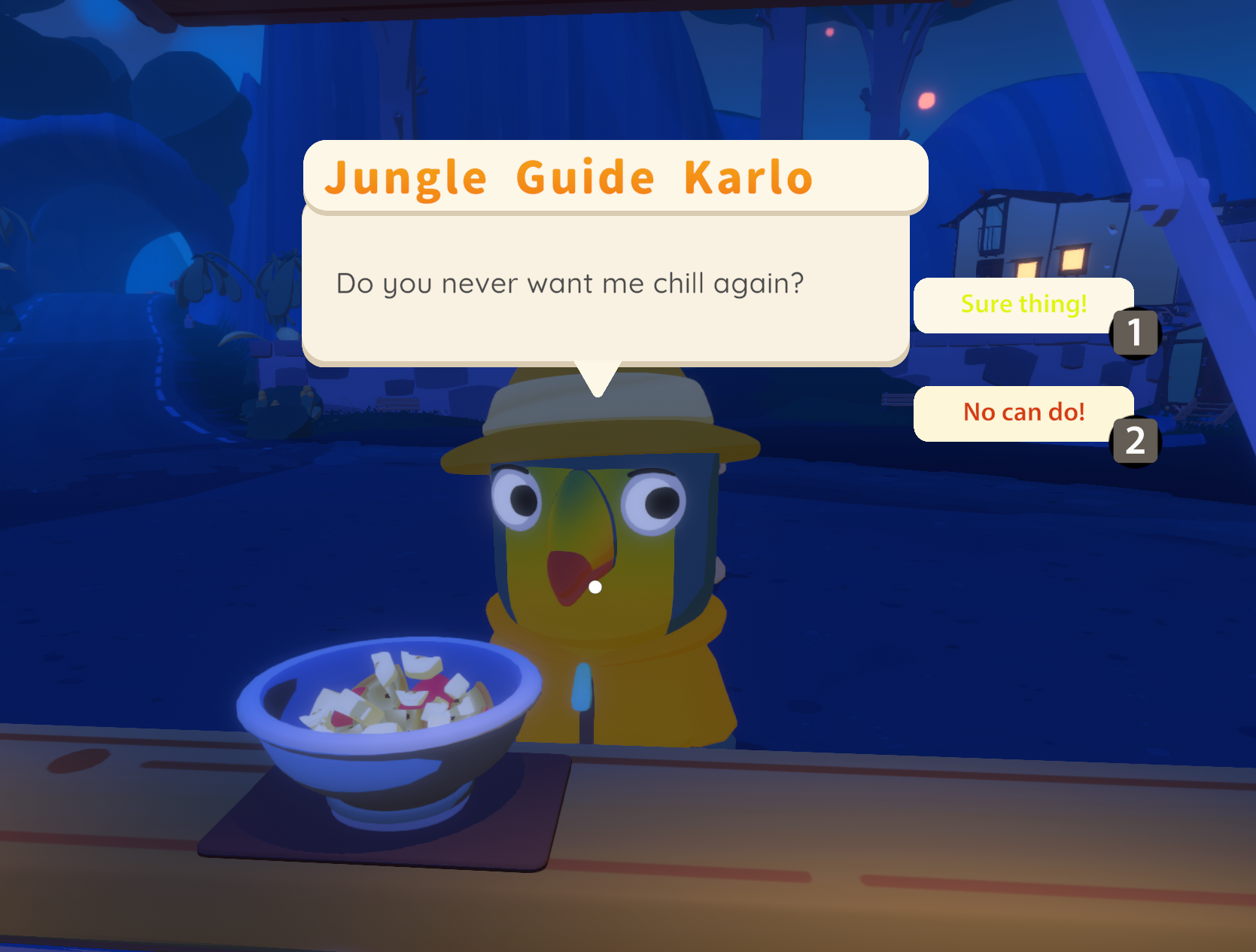
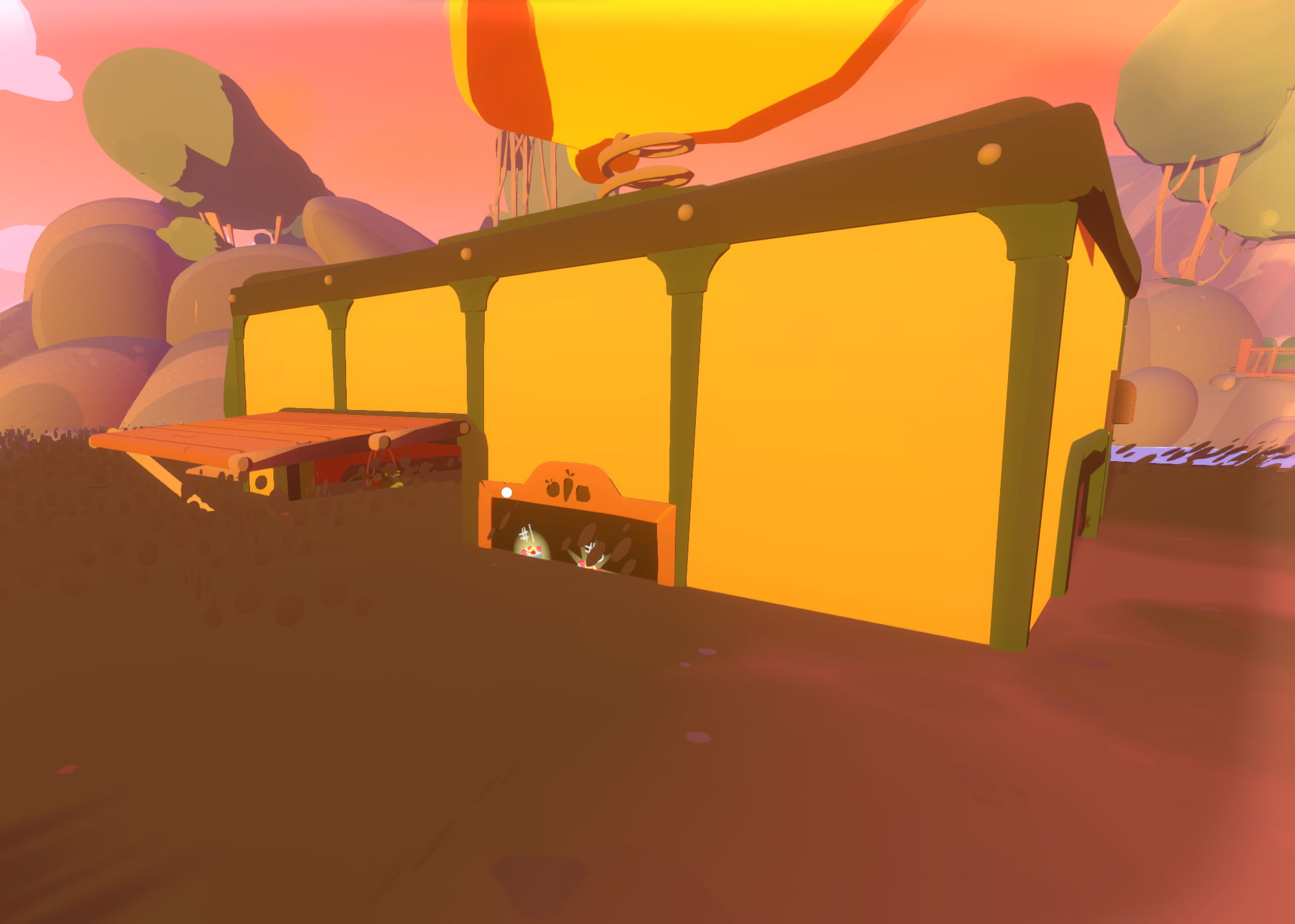
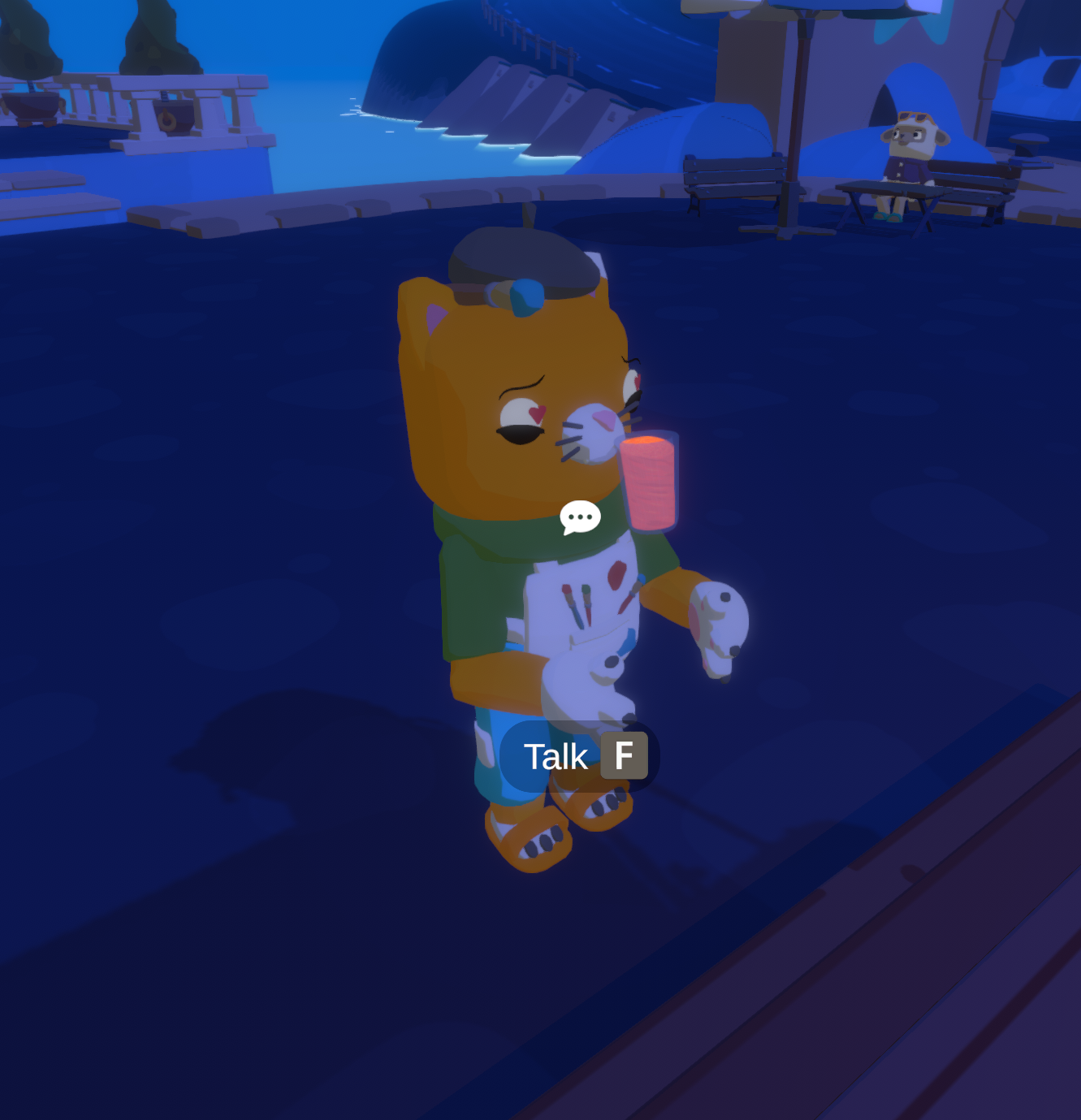
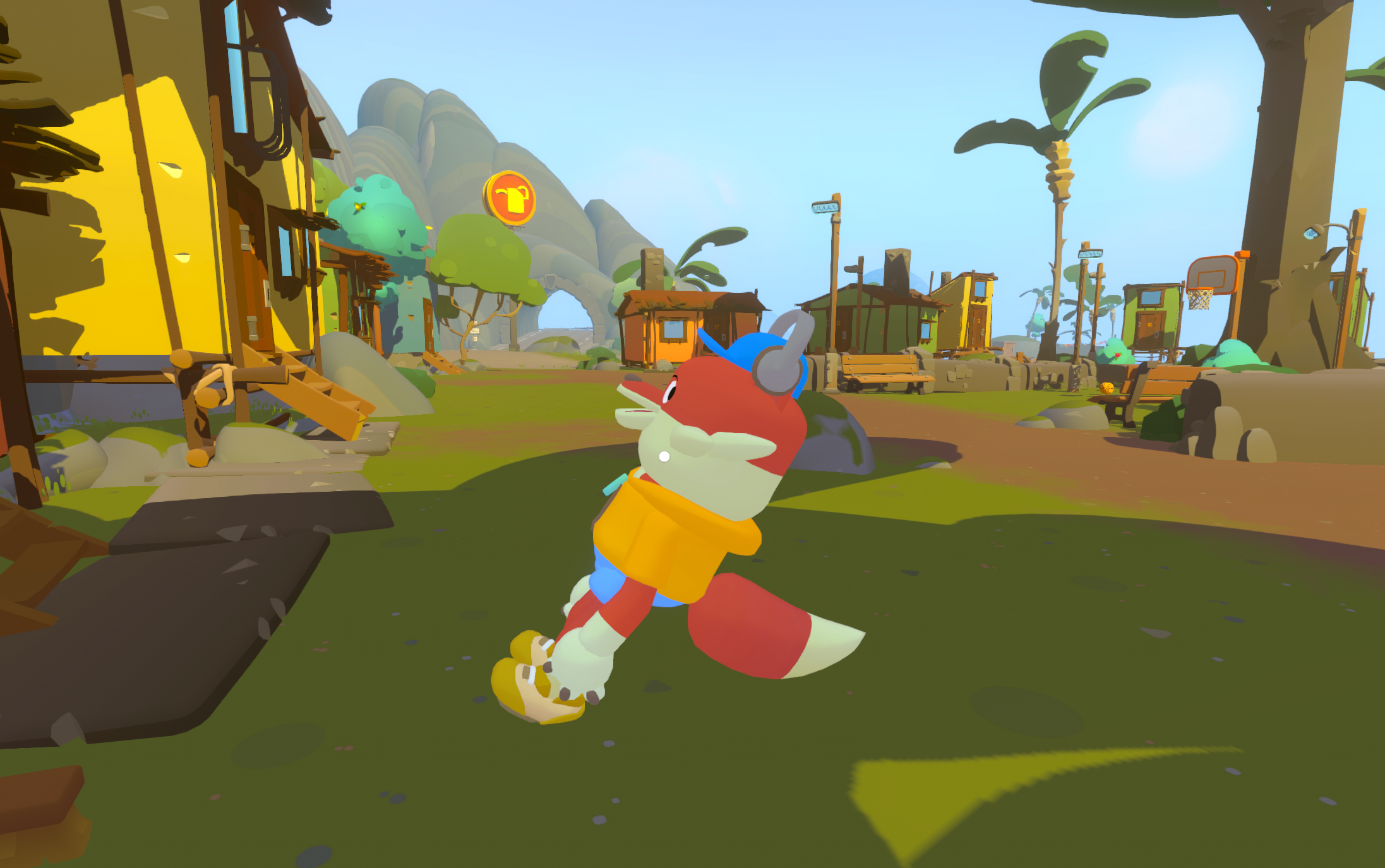
A journey of flavors and friendships awaits you in your cozy, customisable food truck! Forage for fresh ingredients to create your own menu, then feed tummies and souls with home-cooked meals. Change the world, one apple at a time.
To me, the most interesting aspect of Fruitbus was that as the protagonist, you follow in your grandmother's steps. That added a more personal story to a game that could have been only about managing a food truck. Getting to know a person only after they are gone through talking to other people is something that really plays on my heartstrings. It's especially fun when the Grandma in question is a really unique character. The gameplay gets repetitive when you play 600 hours of a game but the sentiment of the story still remains.
The team
Krillbite had about 13-14 people working on the game. Some of them are employed by Krillbite, and some are hired guns, like me. The team had a full set of artists, game designers, programmers and audio guys during development. It was such an amazing experience to work with talented people!
My Role
As the only tester (Does that make me the lead tester?), my responsibility was to, at all times, have a complete overview of what worked and what didn't, what was critical to fix, and what was being worked on.
For the most part, I tested autonomously. Taking directions when collaborating with the game designers, level designer or programmers to pinpoint errors, which then had to be assigned to the correct person and evaluated for urgency.
Krillbite onboarded me 8 months before release, and I stayed on for another 3 months after release. I worked on the game for 11 months.
A Typical Day
We used ClickUp for managing, among many other things, the big list of bugs. Anyone who found a bug would file it there, and I made sure to verify it, and assign the task to the correct person.
Every morning I started with browsing the bug list. I would test the latest build to see if the bugs that had been fixed since the day before, actually had been fixed. After verifying the fixes, I would move on to the unverified bugs. Sometimes, an old bug report could have inadvertently been fixed, and other times it turned out to no longer be relevant, due to other changes. I would do a bit of housekeeping every day, helping the team to stay focused on the things that mattered.
When I had gained an overview of the most pressing issues, I would play to uncover hidden bugs. It's rarely this step-by-step however, and while I would check if a bug was fixed there would almost always be a new bug discovered. Whether the fix created new bugs or revealed new bugs is hard to say, but the list rarely got shorter.
My Methods
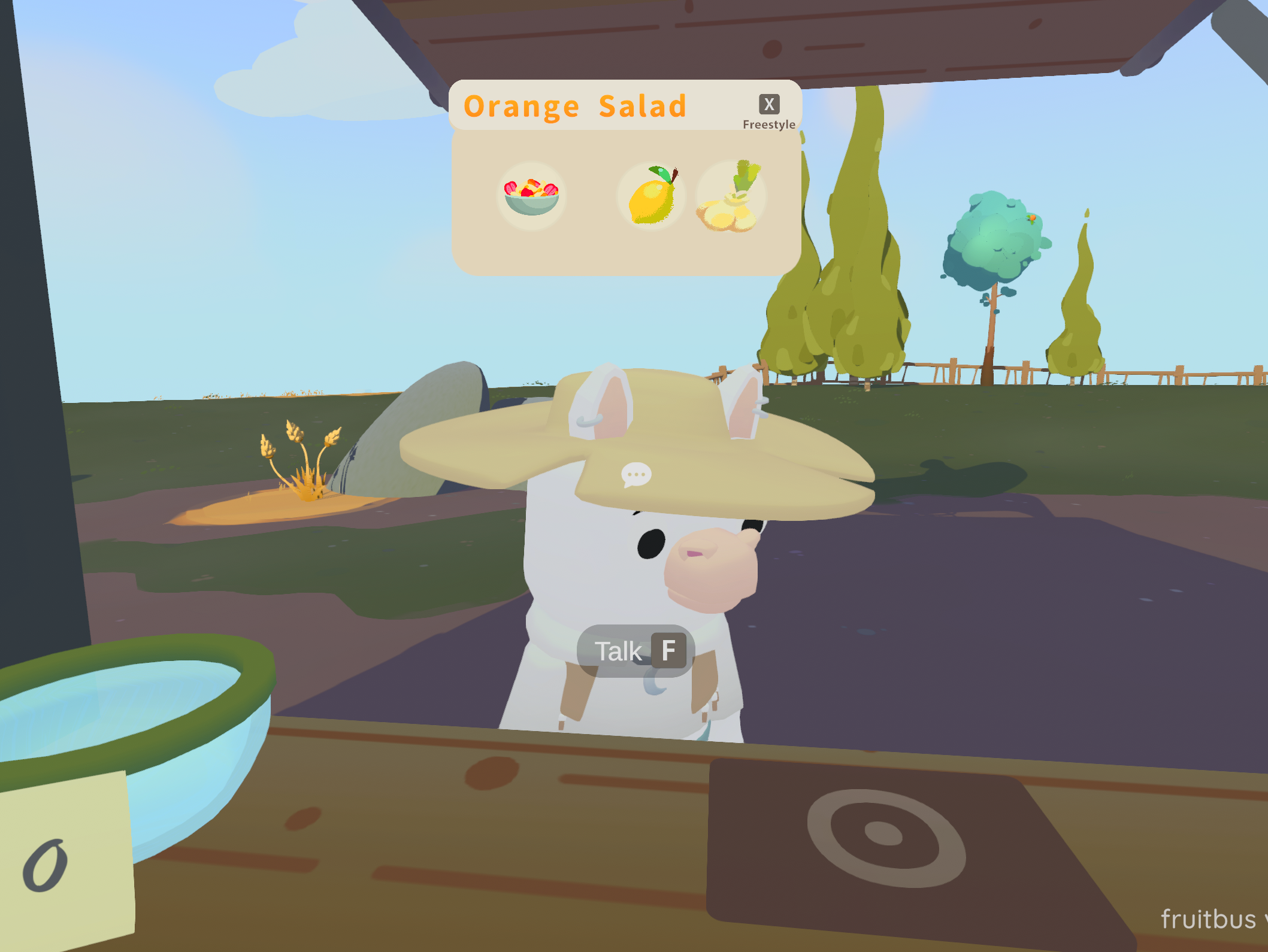
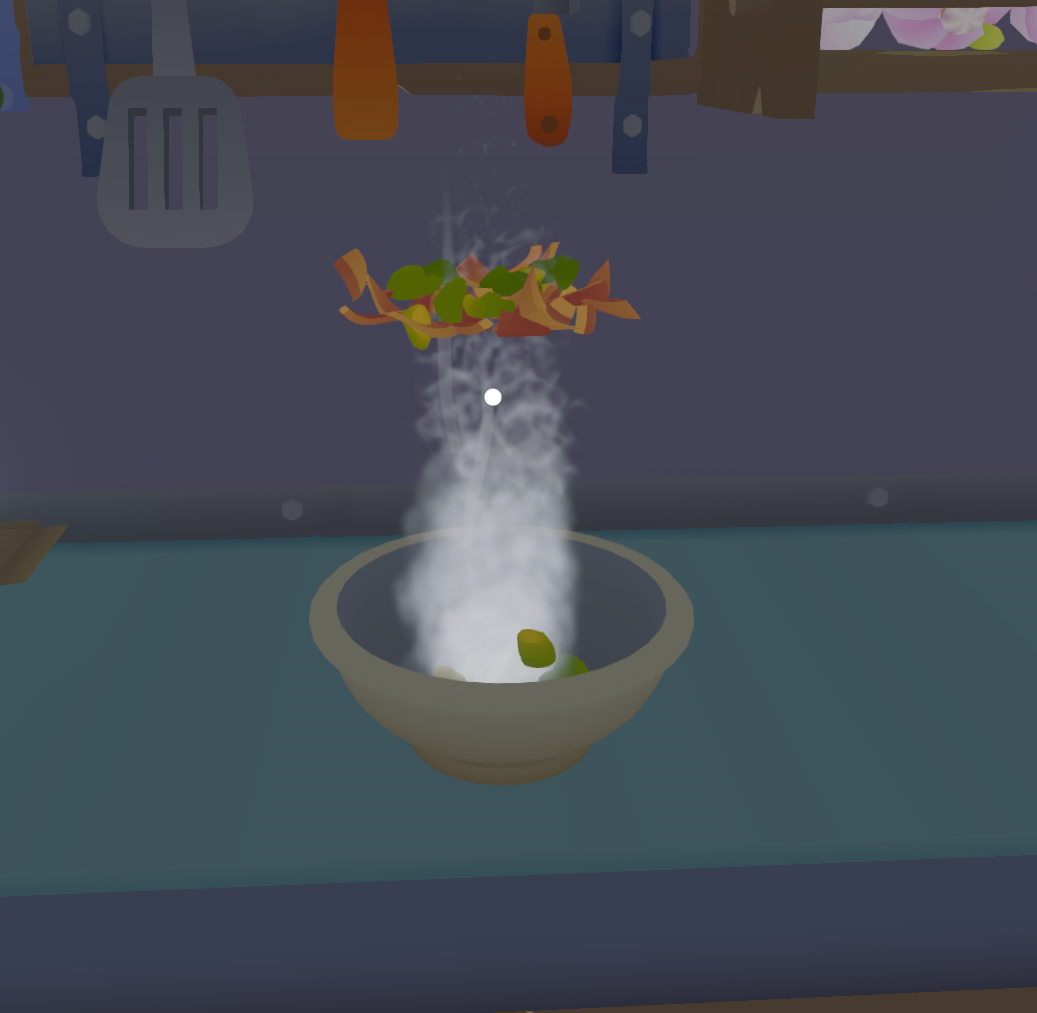
A lot of the systems in Fruitbus are physics based. Physics is fun to play around with as a player, but can easily become a can of worms for the developers. When designing physics based systems, it's hard, if not impossible, to see the full extent of the system, and to predict all the possible outcomes of interacting with it. Because of this, such systems often contains hidden bugs, that only reveal themselves when interacting with the system in very specific ways.
To unearth these types of bugs, I use exploratory tests. Exploratory tests has a goal that is centered around one mechanic, an area in the game or even just a hunch about a weekpoint. The goal is to check if the area I am exploring has any glaring flaws.
Sometimes when you find a bug it's not very clear what is causing the bug. Maybe the steps to reproduce it are not working for anybody else. This can be a fault in the explanation of the bug or it can be that the requirements for reproduction are wrong. When this happens I need to go back and try and find the bug again, retracing steps until I either find it or lower the urgency of the bug. In a game with a lot of bugs with weird requirements it is best to focus on bugs that are more likely to be experienced by players.
Sometimes when you find a bug it's not very clear what is causing the bug. Maybe the steps to reproduce it are not working for anybody else. This can be a fault in the explanation of the bug or it can be that the requirements for reproduction are wrong. When this happens I need to go back and try and find the bug again, retracing steps until I either find it or lower the urgency of the bug. In a game with a lot of bugs with weird requirements it is best to focus on bugs that are more likely to be experienced by players.
Two testing principles come into play here “Testing shows the presence of defects, not the absence” and “Exhaustive testing is impossible.” Meaning you can dig for a bug forever, but it has exponential demerits the more testing you do. That time can be better spent on finding new bugs.
Community Based Play Testing
In addition to doing the testing myself, we also got invaluable help from our community. From time to time, we would arrange play test parties. Anyone who cared to join would get the latest build, and were asked to play the game while recording the screen. I was the one who watched all the videos and turned them into points of discussion and bug reports for the team.
To have a group of players help out like this is very valuable for uncovering alternative ways of playing the game. It helps me, and the rest of the team, to clearly see how well players understand the game, and how it makes them act. This also helps me a lot to get out of my own biases when experiencing a game I am working with every day.
A common type of issue that this type of testing revealed, was the dissonance between the intended behaviour of a thing, and what the player thought it was supposed to do. These types of UX bugs are hard to find when the ones who test the game are also the ones who designed it. The development team has a natural bias because they are so close to the game and have a hard time zooming out or viewing the game from a linear point of view.
Learnings
The method of using goal oriented exploratory testing was a perfect fit for Fruitbus. In a physics based game like this, the player's possibility space is vast, and the often random interactions that happen between physics objects can produce results, and bugs, that are impossible to predict when designing the game. In a more linear game, where the possible space is smaller, and there is less randomness, one can use a more direct approach to testing.
A challenge of being the only tester, is that it's easy to unconsciously build up a bias. It's easy to get used to playing the game in one style, and to avoid interacting with things you know are broken. When that happens, some bugs can remain hidden until they get discovered by a player. That is not a desirable outcome.
Ideally, it would be good to work with QA as a duo. That would make it easier to break out of the biases, as we could challenge each other, and switch responsibilities regularly.
However, it is not impossible for a single QA-tester to break out of biases. Community based testing helps with seeing the game from new perspectives, and together with goal oriented testing, one can deliberately try new play styles. You just have to be creative with the test cases.
Results
It was beneficial to the team that we were able to start uncovering bugs 8 months before launch. The continuous work helped to keep the number of bugs to a minimum, and to prevent the build up of technical debt. The mapping of bugs in a larger part of development also helped the team make decisions on what to do with critical problems before release. Knowing all the problems is better than having many unknown problems.